Αίτημα και η σύσταση Εθνικού Μητρώου.
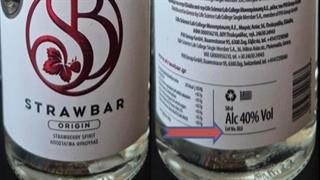 ΑΑΔΕ: Ανάκληση μη ασφαλούς αλκοολούχου ποτού
Η διακινήτρια εταιρεία, σε συνεργασία με τις υπηρεσίες της ΑΑΔΕ, πραγματοποιεί ήδη άμεση απόσυρση του συνόλου των ποσοτήτων της συγκεκριμένης παρτίδας από την εγχώρια αγορά.
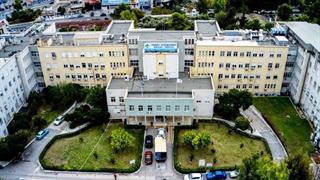 ΕΙΝΑΠ: Σε οριακή κατάσταση η Μαιευτική - Γυναικολογική Κλινική του νοσοκομείου Νίκαιας
Η κατάσταση επιβαρύνεται περαιτέρω από τη νοσηλεία παθολογικών ασθενών.
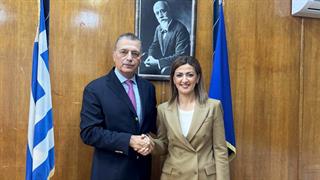 Συνάντηση Αγαπηδάκη - Στεφανή για την ενίσχυση του Κέντρου Υγείας Καρυών Αγίου Όρους
'Εμφαση δόθηκε στις ανάγκες στελέχωσης της δομής και στην ενίσχυσή της με τον απαραίτητο ιατροτεχνολογικό εξοπλισμό.
 ‘Εκθεση ''Όνειρα σε Καμβά'' από Τα Παιδικά Χωριά SOS
Μια έκθεση για τη δύναμη της δημιουργίας και το δικαίωμα κάθε παιδιού να ονειρεύεται.
Αίτημα και η σύσταση Εθνικού Μητρώου.
Οδηγίες Έκδοσης/ Εκτέλεσης Γνωματεύσεων Αναλώσιμου Υγειονομικού Υλικού.
Aφορά άτομα με διάγνωση καρκίνου.

Η Mediprime, μία από τις μεγαλύτερες εταιρίες στο χώρο του ιατροτεχνολογικού εξοπλισμού, επιθυμεί να
Νοσηλευτής -Νοσηλεύτρια ή Βοηθός Νοσηλευτή - Νοσηλεύτριας ζητείται για πλήρη απασχόληση σε ιδιωτικ
Ζητούνται Βοηθοί Νοσηλευτές (Δ.Ε.) με Άδεια Άσκησης Επαγγέλματος από Πρότυπο Γηροκομείο Αθηνών.
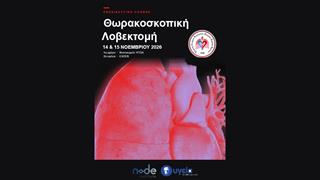
Τετάρτη, 07 Οκτωβρίου 2026, 12:30
VATS Lobectomy course 2026Θα πραγματοποιηθεί στις 14 και 15 Νοεμβρίου 2026 στο Νοσοκομείο ΥΓΕΙΑ & ΕΡΕΥΝΗΤΙΚΟ & ΠΕΙΡΑΜΑΤΙΚΟ ΚΕΝΤΡΟ ΕΛΠΕΝ.
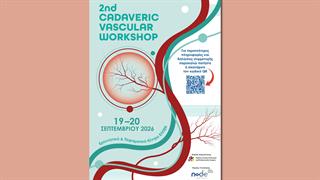
Δευτέρα, 13 Ιουλίου 2026, 13:30
2nd Cadaveric Vascular WorkshopΤο workshop διοργανώνεται από την ΕΕΑΡΧ, υλοπείται και υποστηρίζεται επιστημονικά από το NoDE Institute.
Mon, 26 Oct 2026 23:20:02 EDT
Exploring the potential of immunotherapy in early-stage triple-negative breast cancerTriple-negative breast cancers, which are more frequently diagnosed in younger women, are a subtype of breast tumor characterized by the absence of hormone receptors and HER2 overexpression. As a result, they do not respond to hormone therapy or HER2-targeted treatments. Their prognosis is generally less favorable than that of other breast cancer subtypes.
Mon, 26 Oct 2026 22:00:06 EDT
Tomosynthesis detects breast cancer more frequently during screeningWith around 75,000 new cases per year, breast cancer is by far the most common cancer among women in Germany. Using digital breast tomosynthesis in the breast cancer screening program could prevent around a quarter of invasive interval cancers that occur within two years after a digital mammogram.
Mon, 26 Oct 2026 20:40:06 EDT
Hemoglobin component heme shown to inhibit enzyme that helps dissolve blood clotsWhen it comes to blood clots, it is not only how they form that is crucial, but also how the body can break them down again. A team of researchers at the University of Koblenz, led by Prof. Dr. Marie-T. Hopp, has demonstrated that heme—a component of hemoglobin—can influence this process. The findings, published in the International Journal of Biological Macromolecules, provide a new molecular approach to better understanding the link between hemolysis and an increased risk of thrombosis.

![Η σωματική δραστηριότητα ενδεχομένως προστατεύει από τον γενετικό κίνδυνο για κατάθλιψη [μελέτη]](/media/articles/photos/thumb/143758-depressedgym1280.jpg)

![Καρκίνος ενδομητρίου: Φάρμακο επόμενης γενιάς μειώνει την εξέλιξη και τη θνησιμότητα [μελέτη]](/media/articles/photos/thumb/143754-wombpain1280.jpg)